
Porcelain Tile vs Ceramic Tile For Your Home.

Key Differences: Pros, Cons, and Maintenance Tips for Porcelain and Ceramic Tiles
Choosing the right tile for our home can be confusing. Porcelain and ceramic tiles look similar, but they have important differences. These differences affect durability, water resistance, and where each tile works best. This guide breaks down the key differences, highlights the pros and cons of each, and offers practical tips for care and maintenance. By the end, we’ll have a clear idea of which tile suits our space and lifestyle.

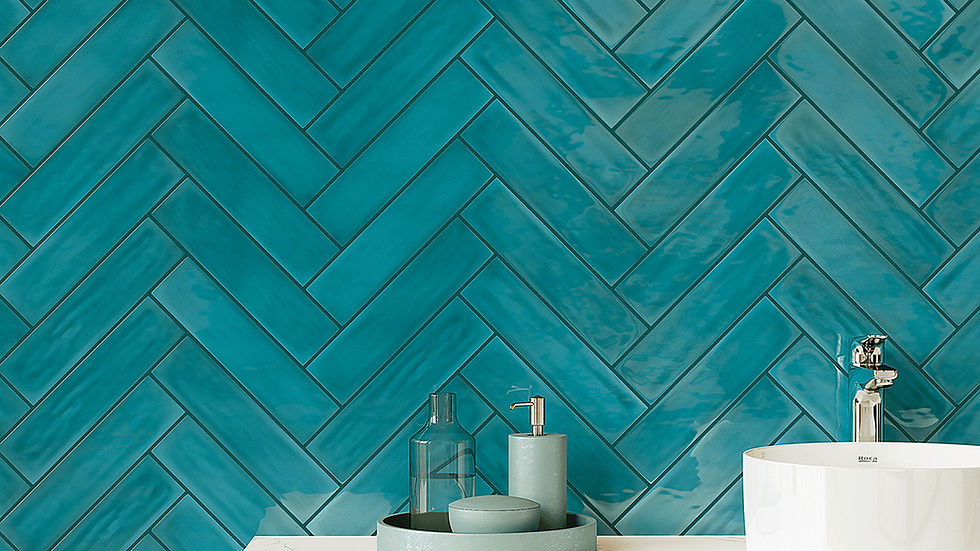
Ceramic Wall Tile - Perfect for Shower Walls, Bathroom Walls, and Backsplash. Cost $8.99 SF

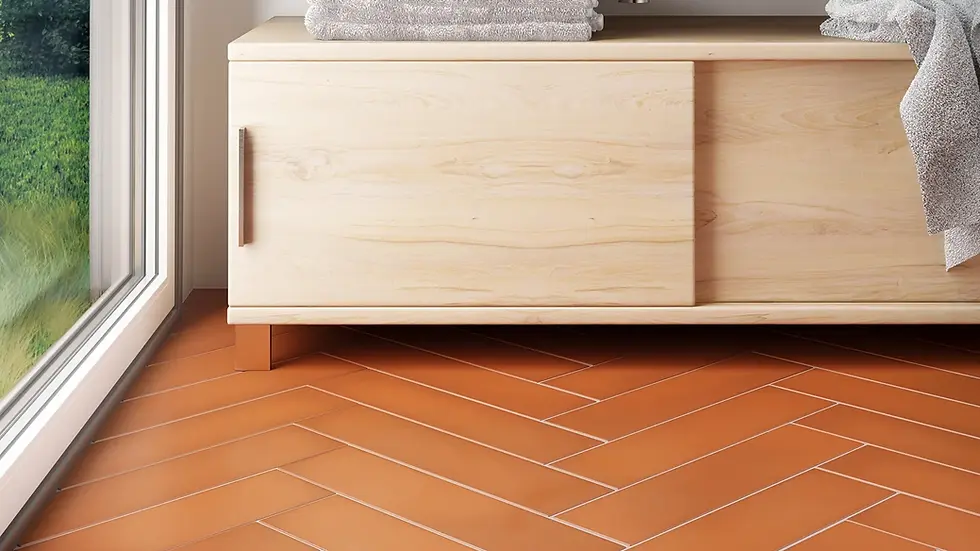
Porcelain Tile can be used on Floors and Walls Costs $12.99 SF
Understanding the Material Differences
Porcelain and ceramic tiles both come from clay, but the way they are made sets them apart. Porcelain tiles use a finer, denser clay and are fired at higher temperatures. This process makes porcelain harder and less porous than ceramic.
Porcelain tile
- Made from refined clay
- Fired at higher temperatures (about 2300°F)
- Denser and less porous
- Often has a more uniform color and texture
Ceramic tile
- Made from a mix of clay and other natural materials
- Fired at lower temperatures (around 2000°F)
- More porous and softer
- Usually glazed with a decorative surface
This difference in material and firing affects how each tile performs in daily use.


If we need help selecting the right tile, Licari Tile & Home has 40 years of experience doing just that. They help customers pick the right tiles for their homes.
Durability and Strength
Porcelain tiles are known for their strength. Their dense composition makes them highly resistant to chipping, cracking, and wear. This durability makes porcelain a great choice for high-traffic areas or places where heavy objects might be dropped.
Ceramic tiles are durable but less so than porcelain. They can chip or crack more easily under impact. However, ceramic tiles still hold up well in many residential settings, especially in areas with moderate foot traffic.
Summary of Durability
| Feature | Porcelain Tile | Ceramic Tile |
|-----------------------------------|----------------------------|---------------------------|
| Hardness | Very hard | Moderately hard |
| Resistance to chipping | High | Moderate |
| Suitable for heavy use | Yes | Yes, but less ideal |
| Longevity | Longer-lasting | Good, but may wear faster|
Water Resistance and Moisture Handling
One of the biggest differences between porcelain and ceramic tiles is how they handle water. Porcelain tiles absorb less than 0.5% of water, making them highly water-resistant. This quality makes porcelain ideal for bathrooms, kitchens, and even outdoor spaces where moisture is common.
Ceramic tiles absorb more water, typically between 3% and 7%. While glazed ceramic tiles have a protective layer that repels water, the tile body itself is more porous. This means ceramic tiles are better suited for dry areas or places with occasional moisture rather than constant exposure.

Porcelain Tile
Porcelain Tile vs Ceramic Tile, Pros and Cons
Pros
Extremely durable and strong
Highly water-resistant and suitable for wet areas
Low maintenance and stain-resistant
Wide range of styles, including options that mimic natural stone or wood
Suitable for indoor and outdoor use
Cons
More expensive than ceramic tiles
Harder to cut and install, requiring special tools
Can be cold and hard underfoot without underfloor heating
Pros and Cons of Ceramic Tile
Pros
More affordable than porcelain
Easier to cut and install
Wide variety of colors and patterns available
Good for walls and low-traffic floors
Glazed surface offers some water resistance
Cons
Less durable, prone to chipping and cracking
More porous, less suitable for wet or outdoor areas
May require more frequent sealing in some cases
Ceramic Wall Tile pictured below, all available at Licari Tile & Home



Ideal Use Cases for Different Spaces
Choosing between porcelain and ceramic tiles depends on where we plan to install them and how much wear they will face.
Porcelain Tile Works Best For:
Bathrooms and kitchens where water resistance is critical
Entryways and hallways with heavy foot traffic
Outdoor patios and walkways due to durability and moisture resistance
Living rooms and open spaces where a premium look and long-lasting surface are desired
Ceramic Tile is Ideal For:
Wall coverings in bathrooms and kitchens
Low-traffic rooms like bedrooms or guest rooms
Decorative accents such as backsplashes or fireplace surrounds
Budget-conscious projects where cost is a major factor
Porcelain tiles are durable, allowing for large formats. If we are looking for a place to purchase porcelain tiles in Los Angeles, Licari Tile & Home provides a large selection.


Where can we buy porcelain tiles in Los Angeles? Licari Tile & Home offers a huge selection.
Tips for Maintenance and Care
Both porcelain and ceramic tiles are relatively easy to maintain, but following some simple care tips will keep them looking their best.
Porcelain Tile Care
Clean regularly with a mild detergent and warm water
Avoid harsh chemicals or abrasive scrubbers that can dull the surface
Use a soft mop or cloth for cleaning
Seal grout lines periodically to prevent staining
For outdoor porcelain, remove debris and dirt to avoid surface damage
Ceramic Tile Care
Clean with a gentle cleaner suitable for glazed surfaces
Avoid acidic or bleach-based cleaners that can damage the glaze
Wipe up spills quickly to prevent staining
Seal grout lines regularly, especially in wet areas
Repair chips or cracks promptly to avoid further damage


Licari Tile & Home not only carries these specialty cleaners, but they will help us select the right one for our needs as well as demonstrate how to use them.
Making the Right Choice for Our Home
When deciding between porcelain and ceramic tiles, we should consider our budget, the room’s function, and the level of wear the tile will face. Porcelain offers superior durability and water resistance, making it a smart investment for busy or wet areas. Ceramic tiles provide a cost-effective, versatile option for decorative and low-traffic spaces.
By understanding these differences, we can select the tile that fits our style and needs, ensuring our floors and walls look great and last for years.
Licari Tile & Home, with 40 years of experience, can assist us in choosing the perfect tile for our home. They specialize in helping customers select the ideal tiles. Shop the showroom at 5250 Valley Blvd, Los Angeles, CA 90032 or online. They are also available to help via email info@licaritile-stone.com or by phone at 323-225-3000.
Comments